A helpful resource for my supervisee’s and any other counsellors or people with concerns. This service offers support to those who are worried they may cross boundaries they don’t wish to cross.
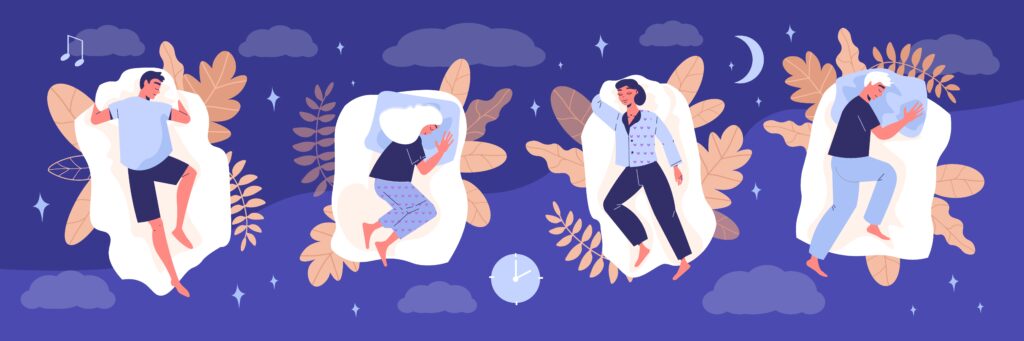
I get asked about sleep a lot by clients so here are 12 things that most professionals agree help with sleep
1. Active, healthy exercise and improved physical output can really help your body rest well at night, also mental activity is important too so that your brain is ready to rest rather than full of energy and thoughts. Try not to exercise too close to bedtime.
2. Watch what you eat and drink, healthy food and drink are important. Caffeine too close to bedtime can really impact sleep quality, and many people find the cut off point for caffeine consumption varies per person. Also spicy food late at night can contribute to bad sleep. Avoid alcohol, it is a stimulant and a depressant, it doesn’t help you sleep it has the opposite effect. Also smoking is stimulant so a fag before be is not recommended.
3. Make your bedroom a sleep-friendly environment, soft bedding, black out curtains, natural light alarm clock, ear plugs, well maintained bed, bedding and mattress, not too hot or cold where possible.
4. Relax and unwind before bed, don’t go from a stimulant activity straight to bed as it will only cause you to feel more awake.
5. Resist the weekend lie-ins as they really make no difference other than to mess with your bodies natural rhythm, catching up on sleep is not a thing, good sleep over several nights will provide a better result and avoid that sleep hangover feeling you get after a lie in, also a lie in will just reduce your feeling of needing to sleep that night. Setting a wake up hour is useful eg 7am to 8am.
6. A good bedtime ritual or routine can be really important. Things such as having a set bedtime eg between 10pm and 11pm. Don’t wash your face or get changed right before bed, these will wake you up so try to get ready then do something relaxing, if you like a nice warm bath try this an hour before sleep. Try not to do energetic exercise or have enthusiastic or heated conversations. Avoid over stimulating behaviours like thriller films. Try relaxing activities like books, crosswords, mindfulness, relaxing music, audio books.
7. Don’t stay in bed and think about not being able to sleep, get up and do something. Try to make this something neutral and calming, so not exercise or something that will energise you.
8. Monitoring your sleep can sometimes help, this can be done easily with most smart watches. You may find certain patterns such as you always wake at dawn so light is waking you, or at 6am when the neighbour gets up, or you sleep better/worse after a particular activity
9. Keep a notebook by your bed and note down thoughts that are in your mind so you can look at them tomorrow
10. Speak to a professional, a doctor or therapist could help you better understand your sleep issues, some therapies like CBT and hypnotherapy are helpful with sleep and person centred talking therapies are helpful for those who are struggling to sleep due to stress.
11 Your bed is for sleep (and sex), try not to associate it with other stressful things like work.
12 Be aware of your circadian rhythm. These are your bodies natural sleep and energy patterns and can differ between people.
If you’d like video, telephone or face to face counselling in the Stoke-on-Trent, Newcastle-under-Lyme or Staffordshire area please do contact Wright Minds at laura@wrightminds.co.uk or on 07598810304
So this month I would like to talk about LRP, or for those of you who are not yet invested Live Action Roleplay. This is a hobby that I started way back in my distant past when I was training to be a teacher (I’ve been a LRPer longer than a therapist!). Sometimes described as Dungeons and Dragons but acted out in a field or castle rather than with dice. The idea is that you create a character, sometimes similar to yourself, sometimes drastically different and follow their path, make choices they would make rather than those you would make and have the chance to explore the world around you in another way. My group is Curious Pastimes, others include Empire, do please follow the links and have a look if you are interested.
So why am I talking about this on a therapy blog? Well there is a growing number of therapists and researchers that are looking into how this type of emersion can be used as therapy, how beneficial people can find looking at other aspects of their character and trying out a behaviour where it is mostly risk free, there are a number of therapist who already subscribe to the theory of play therapy being really productive for inner child work and relaxation. This is a possible method of engaging in this behaviour. I personally think it can work to some extent on anger issues as well and become a great form of stress relief. It is a way to socialise in a community that already has something in common and is very diverse and accepting (it tends to be hard to be sexist and racist when you are talking to a genderless ogre/troll/owlbear/werewolf). Not to mention it’s a great workout.
For example my character started out as a healer (some of you may know I like to help people), but she developed into a leader, a diplomat, a lawyer, a wife, and a rather adept shield maiden, she speaks up for herself and others, she uses violence (yes accepted and safe within the system), she is also perfectly capable of falling in love, grieving and laughing as this character, then I have to return to reality. But it gives me the opportunity to experience these things, to take risks, to try behaviours that in real life may have more risk attached than just the call of Time Out on a Sunday night. It is also a wonderful way to relax and play like I used to as a child, free from responsibility and worry about the world around me.
Please do look into either table top roleplay or live roleplay if this feels like something that may benefit you.
Photo by Steve Mitchell This is Myself and one of my best and life long friends who’s character here is Aursa.
If you’d like video, telephone or face to face counselling in the Stoke-on-Trent, Newcastle-under-Lyme or Staffordshire area please do contact Wright Minds at laura@wrightminds.co.uk or on 07598810304
I’m sure you’ve heard someone use the term EAP, most likely in your workplace or one of your friends who is talking about getting mental health support. EAP means Employee Assistance Program. These are usually external agencies paid for by your company who offer mental health support, guidance and advice amongst other thing. Some such as BUPA and AXA offer physical health cover as well. Some companies, such as some NHS trusts, offer in house EAP and therapy support.
“How have I not heard of this?” I hear you ask. Well most companies mention it in your introduction pack or on your starting week, and if you are anything like myself and a lot of other people you may have been too busy being anxious, remembering your sign in codes, trying to find the toilets, remembering everyone’s name and about 100 other important things about starting a new job, and as normal not being in need of mental health support at the time our brains will tend to file the information away and forget about it.
So if you are looking for counselling and mental health support, looking for support with a recent diagnosis, needing to explore a workplace issue, grieving, or any number of other things you might want to consider your EAP as a route to support. This means you can usual bypass the trip to the GP and the long NHS waiting list. Although sometimes the EAP might suggest contact with a GP if they feel antidepressants may be helpful in your particular case.
Most EAP companies will do an initial assessment with you resulting in a one off therapy support session or you being offer short term solution focused therapy of about 6 to 8 weeks, they also often offer mental health apps to download, and offer a 24 hours support line if needed.
If you’d like video, telephone or face to face counselling in the Stoke-on-Trent, Newcastle-under-Lyme or Staffordshire area please do contact Wright Minds at laura@wrightminds.co.uk or on 07598810304
This month I would like to talk briefly about a conference I recently attended on the topic of neurodiversity. For those who are unsure of the term it refers to those of us who have different mental processing skills to the accepted average or neuro-typical. Examples of neurodiversity are Autism, ADHD (attention deficit hyperactivity disorder), dyspraxia, dyslexia, and dyscalculia.
Additionally I’d just like to leave you with some facts shared that day for you to muse over. It is estimated that: 1 in 10 people could have dyslexia 1 in 20 people could have ADHD 1 in 67 people could have Autism 1 in 20 people could have dyscalculia 1 in 10 people could have dyspraxia
Up to 80% of those with a neuro-diverse trait report having experiences of mental health issues such as anxiety, depression, OCD, eating disorders or self-medicating.
And while there are various causes for these conditions (including possibility of hereditary, birth trauma, brain injury, adverse childhood experiences and neurotransmitter deficiencies) it is important to remember that recognition and diagnosis isn’t always straight forward as it could be. If you think that you exhibit neurodiversity traits please do go to your GP to start the assessment process.
If you have a neurodiversity and you have your own unique way of looking at the world, I hope you can try to focus on how amazingly you can apply that as opposed to how different or isolated it may make you feel.
If you’d like video, telephone or face to face counselling in the Stoke-on-Trent, Newcastle-under-Lyme or Staffordshire area please do contact Wright Minds at laura@wrightminds.co.uk or on 07598810304
I thought this month I would share an article from my area’s local newspaper in which a local celebrity talks about their mental health and lack of access to NHS mental health services. Unfortunately this is an all too common story that is heard across the country, supply does not seem to be able to meet demand. In the article Eddie Hall raises awareness of the suicide risk for men, as well as the impact drink and drugs can have on mental health.
If you’d like video, telephone or face to face counselling in the Stoke-on-Trent, Newcastle-under-Lyme or Staffordshire area please do contact Wright Minds at laura@wrightminds.co.uk or on 07598810304